







Search Results for: Nai Xue's Tea
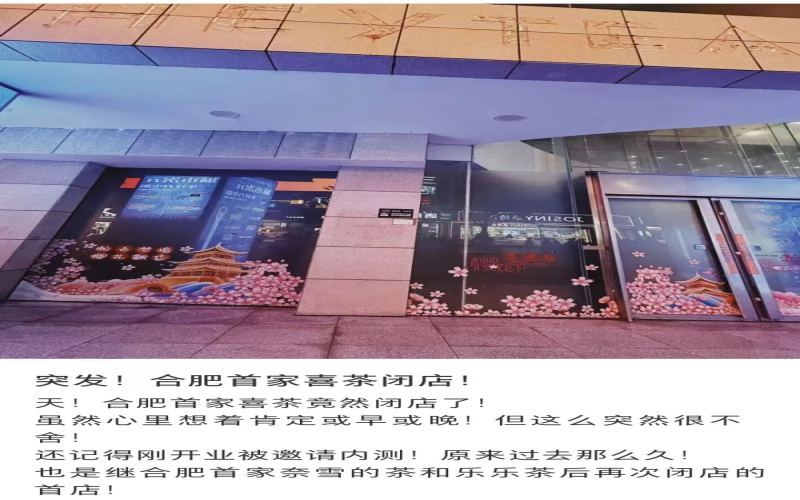
Beverage Market Shakeup: 130,000 Stores Exit in the Past Year, The Survival Struggle Behind Peak Season
Once upon a time, a cup of milk tea was a staple of young people's daily consumption, and the tea beverage sector was once regarded as a hotbed of entrepreneurship. However, the latest data shows that in the past year, about 130,000 milk tea shops across the country quietly exited the market, with an average of more than 350 operators choosing to close their stores every day. Even leading brands such as Heytea and Nayuki's Tea have found it hard to escape store closures for their first outlets in some cities. A peak season that is not peak, cutthroat price competition, and rising franchise risks have plunged this once-booming industry into a deep round of reshuffling. This article, drawing on data from multiple sources including Zhaomen Catering and Jihai Brand Monitoring, analyzes the multiple reasons behind the large-scale contraction of tea beverage stores. [more…]
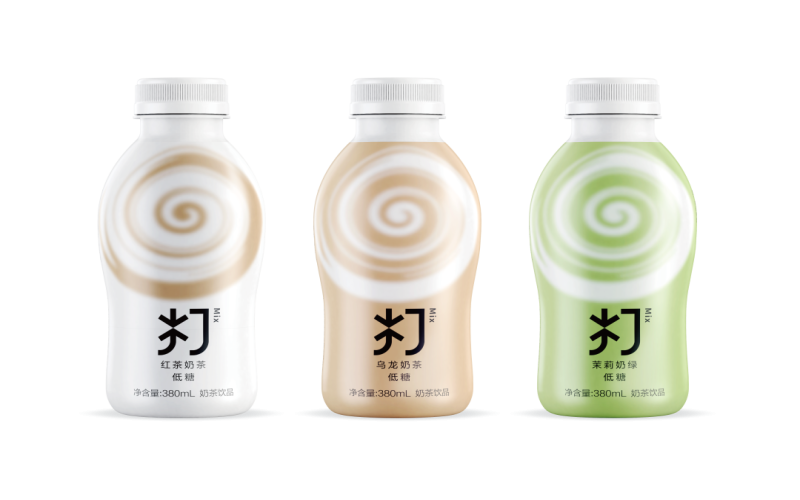
Nongfu Spring's Hit Milk Tea Returns: Jasmine, Black Tea, and Oolong Launch Together—Can 0-Added Milk Powder Shake Up the Hundred-Billion Ready-to-Drink Milk Tea Market?
After eight years, Nongfu Spring is once again making a push into the bottled milk tea sector. On October 12, its official WeChat account posted an article announcing a renewed layout for the "Da Milk Tea" series, launching jasmine, black tea, and oolong flavors, with a net content of 380 milliliters, highlighting selling points such as "0 added milk powder," "0 added tea powder," and "0 added flavorings." It is reported that this series uses concentrated milk and carefully selected whole-leaf extraction, with cold-chain storage and transportation throughout, and the JD.com presale price is 135 yuan for 15 bottles. Looking back to the end of 2013, Nongfu Spring had launched a matcha-flavored Da Milk Tea in a tumbler-shaped bottle, which faded out after a lukewarm market response. Now, bottled ready-to-drink milk tea is regarded as a new outlet, and in the hundred-billion milk tea market, street drinks, brewed drinks, and ready-to-drink drinks each occupy a share, with new brands such as Genki Forest and Hankou Erchang also entering the fray. Front Street Coffee believes that whether Nongfu Spring can win consumers' favor this time remains to be tested by the market. [more…]
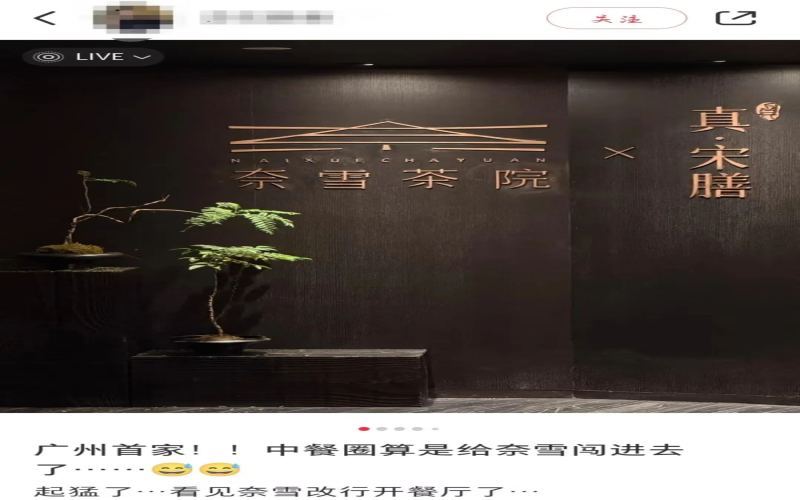
Nayuki Tea Courtyard's Guangzhou branch launches Cantonese cuisine fusion dishes, sparking heated discussion among consumers over the cross-industry move into Chinese dining
Recently, a netizen discovered a Chinese menu at a Nai Xue Tea Academy in Guangzhou, featuring exquisite morning tea dim sum and regional specialty dishes, which sparked widespread attention. Nai Xue Tea Academy is a brand under Nai Xue that focuses on the Chinese tea experience. It just opened its first Guangzhou store last month, also its sixth location and first step outside Shenzhen. The "Nai Xue Chinese restaurant" referred to by netizens is actually a Cantonese fusion cuisine space created by the store in partnership with Zhen·Songshan, allowing customers to dine while enjoying tea. However, the pricing and culinary positioning of the dishes have sparked controversy, with some consumers finding the value for money insufficient, while others pointed out that dishes such as crab roe-stuffed orange seem more like Jiangsu-Zhejiang cuisine. Against the backdrop of Nai Xue withdrawing from multiple locations, whether this cross-industry attempt will be accepted by the market remains to be seen. [more…]
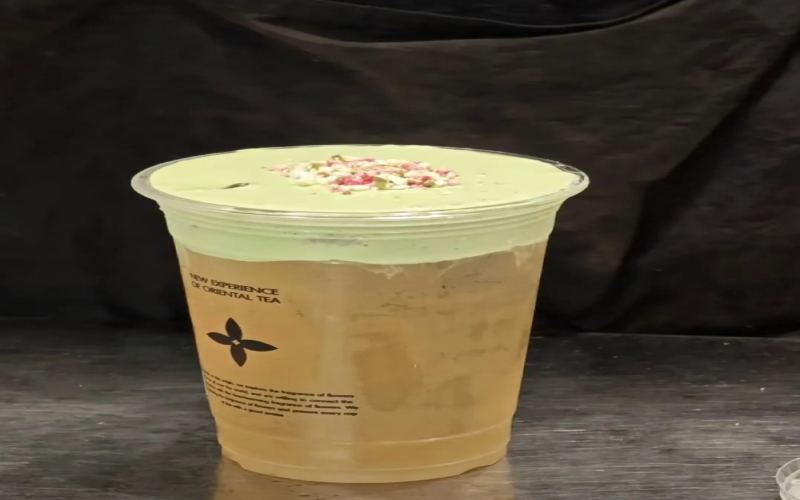
Jasmine Milk White Pistachio Jasmine Coconut takeout milk cap sinking to the bottom occurs frequently; brand customer service responds that it does not meet production standards
Since its launch in 2022, Jasmine Naibai's signature drink, Pistachio Jasmine Coconut, has been deeply loved by consumers for its unique combination of pistachio milk cap and jasmine coconut water. However, recently many takeout customers have reported that after pouring the separately packaged milk cap into the drink, it actually sank to the bottom of the cup, and the coconut water became cloudy and even had suspended particles. The brand's customer service responded that "it did not meet our production standards" and processed refunds for some consumers. Why did the milk cap fail? Was it delivery delays, stores rushing orders, or a change in ingredients? As takeout orders surge, Jasmine Naibai's quality control issues continue to intensify, with complaints such as milk caps sinking, wrong ingredients added, and too few toppings constantly emerging. Consumers cannot help but ask: can we still drink a normal cup of milk tea? [more…]

Manner's Bring-Your-Own-Cup Policy Sparks Controversy: Whether Plastic Bubble Tea Cups Qualify for Discount Becomes the Focus
Manner Coffee's bring-your-own-cup discount has always been a highlight attracting consumers, and many customers, in order to save 5 yuan, are used to bringing their own cups to buy coffee every day. However, recently a customer was refused by a barista when using a Nai Xue limited-edition milk tea cup, while on social media someone succeeded in buying with the same type of cup, raising questions about inconsistent enforcement standards across Manner stores. At the same time, whether plastic takeaway cups can be used as bring-your-own cups has also become a hot topic of discussion. This article will sort through the course of events, the differences in plastic materials, and the views of various parties, and bring related recommendations from the Front Street brand. [more…]
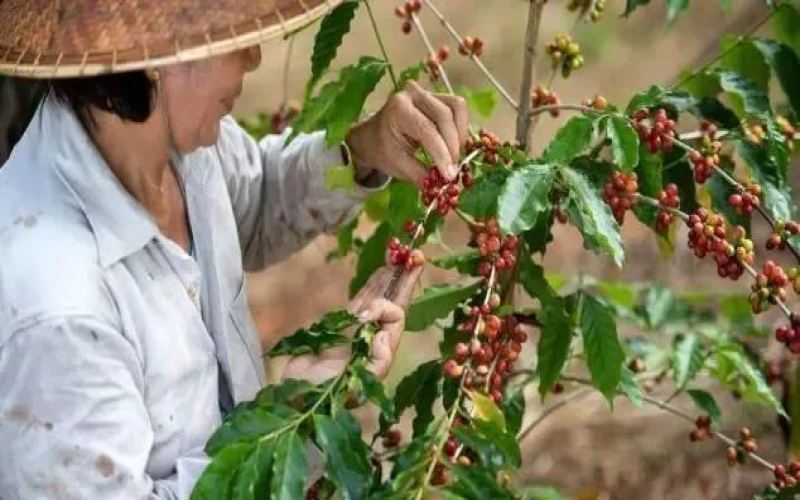
As coffee prices rise, Nestlé ramps up a $100 million expansion at its Tri An factory in Vietnam.
Global coffee prices remain elevated, and although Vietnam, as a key producing region, has seen its domestic green coffee quotes retreat slightly from earlier highs, they remain at relatively high levels. Meanwhile, Vietnam's coffee exports in 2023 showed a trend of lower volumes but higher values, with total export value hitting a record high. In response to growing market demand, Nestlé announced an additional US$100 million investment in its Tri An coffee factory in Dong Nai Province, Vietnam, to expand production capacity. Behind this decision are both expectations of a recovery in coffee consumption demand and supply-side disruptions driven by weather factors and the Red Sea shipping crisis. This article will review recent coffee price trends, Vietnam's export data, Nestlé's layout in Vietnam, and the multiple factors affecting market supply and demand. [more…]
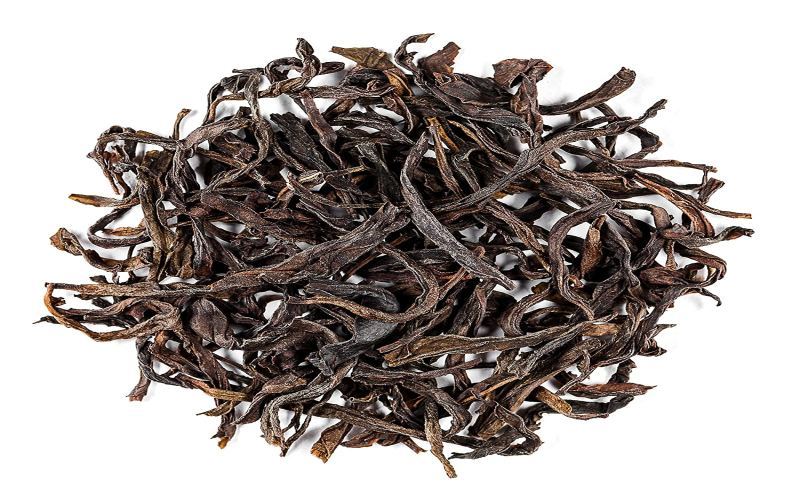
Comparison of the Duck Shit Aroma from Chaozhou Nanfu Tea Factory and Nayuki's Duck Shit Aroma Dancong: which one has the more outstanding fragrance?
Duck Shit Fragrance—the name sounds rather unconventional, yet it is a highly sought-after variety of Phoenix Dan Cong. It doesn't actually have a duck feces smell; instead, it is famous for its rich fruity aroma. This article will use the Duck Shit Fragrance from the veteran Chaozhou tea factory Nanfu as a reference, comparing it with Naixue's Duck Shit Fragrance Dan Cong to explore which one has a more intense aroma. The article will also introduce the specific characteristics of two Phoenix Dan Cong Duck Shit Fragrance teas from 2017 and 2020, including origin, altitude, tree age, and flavor descriptions, taking you deeper into this strangely named yet highly charming tea. At the same time, Front Street Coffee will also recommend related products for you. [more…]
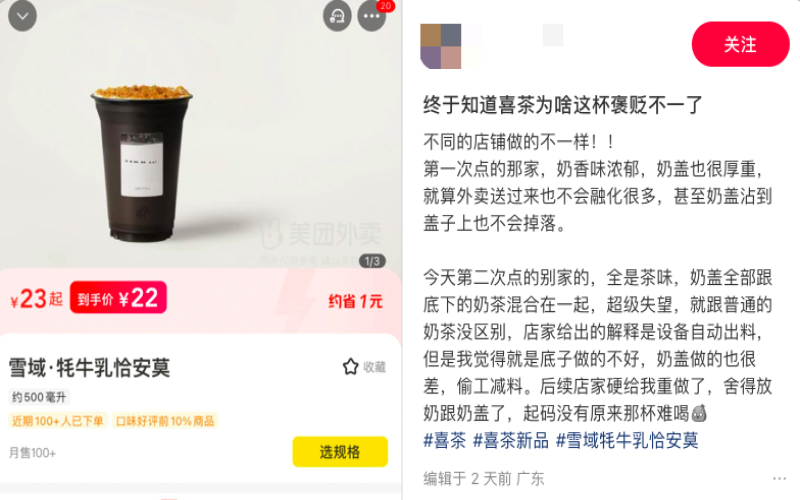
HEYTEA's Yak Milk Qia'an Mo was reported to have had its recipe adjusted the day after launch, with consumers noting a clear difference in flavor before and after.
Heytea's limited-time new product last month, Yak Milk Chaanmoo, quickly became popular thanks to the unique flavor of Tibetan yak milk, but was in short supply due to scarce ingredients. However, recently many repeat customers have found that the drink tastes very different from when they first tried it—the milky aroma has become weaker and the tea flavor more prominent. When verifying with store employees, they unexpectedly got the answer that "the recipe was changed on the morning of the second day after launch." Employees also revealed that further fine-tuning was done afterward. This silent recipe change has sparked consumer dissatisfaction, as they believe the actual taste does not match the promotional claims and that it may cause store employees to bear the misunderstanding of "cutting corners." [more…]
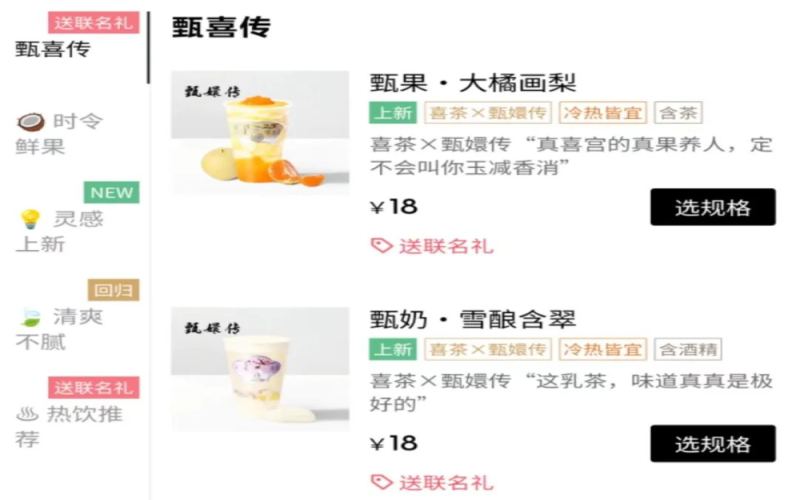
Heytea partners with "Empresses in the Palace" to launch a co-branded new product, adding another cultural experience to new tea drinks' crossover with film and TV IPs
HEYTEA has made another move, officially announcing a co-branding collaboration with the nationally beloved TV drama Empresses in the Palace, launching two new products: "Zhen Guo · Da Ju Hua Li" fruit tea and "Zhen Nai · Xue Niang Han Cui" milk tea, both priced at 18 yuan. This is the first time Empresses in the Palace has crossed over into a co-branding partnership with a new-style tea beverage brand, and it is also HEYTEA's latest IP collaboration attempt following A Dream of Splendor and Genshin Impact. From "Meng Hua Cha Xi · Dian Cha" selling nearly 300,000 cups on its launch day, to the Genshin Impact co-branded fruit juice tea's first batch selling out within 59 minutes, HEYTEA's cross-brand collaborations have become increasingly frequent and remarkably effective. This collaboration not only enriches the drama's connotations but also provides a new direction for exploring cultural experiences in new-style tea beverage brands. Follow Coffee Workshop to learn more about specialty coffee and beverage industry trends, and Front Street Coffee (FrontStreet Coffee) also continues to bring you professional coffee knowledge exchange. [more…]

Introduction to coffee varieties in the coffee-producing areas of Vietnam.
Vietnam | Introduction to the planting environment of coffee producing areas and coffee varieties. In Asia, there are many coffee-producing countries, such as Laos, Indonesia, Timor-Leste, China, and Vietnam, among which Vietnam is the world's second [more…]
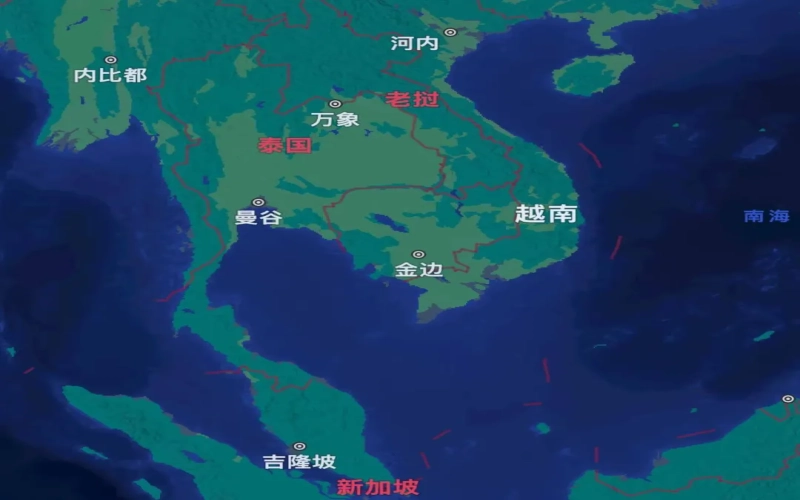
A Comprehensive Analysis of Vietnam's Coffee Regions: Growing Conditions, Variety Distribution, and Grading System
Vietnam is the world's second-largest coffee producer, renowned for its Robusta beans. With its unique tropical monsoon climate and long, narrow S-shaped terrain, this Southeast Asian country has nurtured three distinctive coffee regions: the Central Highlands, the South, and the North. The Central Highlands alone accounts for about 70% of the nation's Robusta output, while the high-altitude areas of the North sporadically cultivate Arabica varieties such as Bourbon and Catimor. Front Street Coffee takes you on a deeper look into Vietnam's coffee-growing environment, variety distribution, and grading standards, unveiling the terroir secrets behind this coffee powerhouse. [more…]
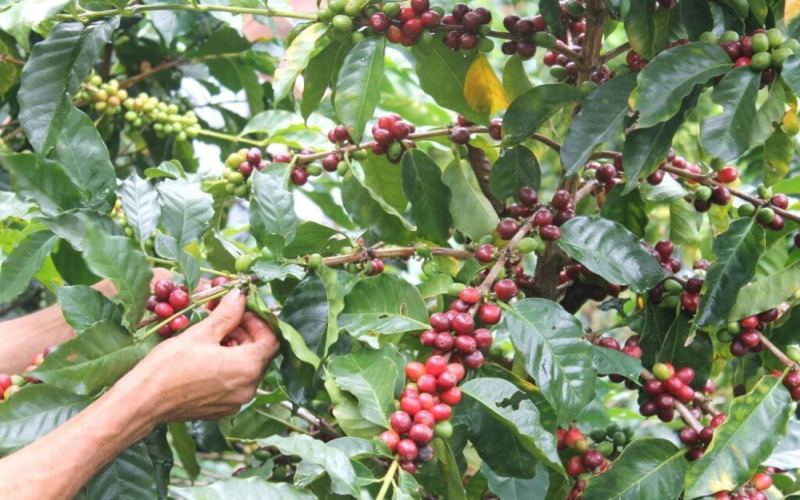
The Rise of Vietnam's Coffee Industry: A Look at Growing Regions, Bean Characteristics, and Classic Italian-Style Blends
Vietnam is the world's second-largest coffee producer. Its coffee industry, introduced during the French colonial period, has gone through a tortuous history of wartime interruption, reform and opening up, a surge in production, and price collapses. This article systematically reviews the development of Vietnamese coffee, explains in detail the altitude, bean varieties, and harvesting characteristics of the three major producing regions—the Central Highlands, southern Vietnam, and northern Vietnam—and analyzes the reasons behind Vietnam's quality, which is dominated by Robusta. At the same time, Front Street Coffee's classic espresso blend also uses Vietnamese Robusta beans, which together with Indonesian Mandheling and Brazilian Cerrado present rich chocolate and nutty flavors. [more…]
Does Darjeeling tea belong to black tea or green tea? Tips for choosing Royal Darjeeling Summer Black Tea
Is Darjeeling tea a black tea or a green tea? This is a question many tea lovers often have. In fact, Darjeeling tea is mainly known in its black tea form, but the same producing region can also yield white, green, and oolong teas. Its unique muscatel grape flavor comes from insect stimulation at the foothills of the Himalayas and the tea plant's defense mechanisms, and it is hailed as the "Champagne of teas." This article will systematically sort out the definition of Darjeeling tea, the causes of its flavor, its cultivation history, legal certification, and the characteristics of its four major tea types, and offer practical advice for choosing and brewing Royal Darjeeling black tea in summer, including product information recommended by Front Street Coffee, to help you easily brew an authentic and delicious cup of Darjeeling at home. [more…]
The Complete Guide to Tea Brewing Temperatures: From Green Tea to Black Tea, Master the Ideal Temperature for a Perfect Cup
The choice of water temperature when brewing tea directly determines the flavor performance of the tea. Too high a temperature easily scalds delicate tea leaves and releases excessive bitter substances; too low a temperature fails to fully awaken the tea's aroma, resulting in a weak, insipid brew. Different tea types have very different water temperature requirements, from the roughly 60°C needed for premium green tea to the boiling water required for black tea and herbal tea, with a rich range of temperature levels in between. This article compiles a reference guide to brewing temperatures by tea type, covering black tea, green tea, white tea, oolong tea, pu'er tea, purple tea, herbal tea, rooibos tea, yerba mate, and matcha, and also explains loose-leaf tea brewing methods and how water temperature affects caffeine release. Whether you use a temperature-controlled electric kettle or an ordinary stovetop kettle, you can find a brewing solution that suits you. [more…]
How Do Wild Tea and Ancient Tree Tea Differ? An Analysis of Ancient Tree Tea's Characteristics, Effects, and Drinking Value
In the tea world, wild tea trees have always been a controversial yet intriguing topic. Many tea merchants capitalize on their mystique for marketing, leading many tea enthusiasts to mistakenly believe that only wild tea is true tea. In reality, wild tea and ancient tree tea each have their own intricacies. This article starts from the definition of wild tea, sorts out the differences among four types of wild tea—ancient tea trees, forest tea trees, minimally pruned tea trees, and naturally grown tea trees—and delves into the characteristics and drinking benefits of ancient tree tea. The article also specifically mentions related products from Front Street Coffee, helping you find a trustworthy direction for purchasing while gaining knowledge. [more…]
Types and Names of Tea Brewing Utensils with Illustrations: A Complete Guide from Kettles to Tea Pets
To brew a good pot of tea, understanding tea ware is the first lesson for beginners. In Lu Yu's tea art culture, predecessors used "TEA WARE" rather than "TEA TOOL" to refer to all utensils for brewing and drinking tea, which shows the pivotal position of tea ware in the way of tea. From the twenty-four items recorded in Lu Yu's "The Classic of Tea" in the Tang Dynasty to the four treasures of tea brewing in Ming and Qing Dynasties gongfu tea, the use of tea ware has long surpassed mere functionality and evolved into a tea ceremony ritual that is repeatedly performed and preserved. This article will systematically sort out the definition of tea ware under the cultural context of Taiwan, and introduce one by one the names, uses, and selection points of common utensils such as the water-boiling kettle, teapot, lidded cup, fairness cup, aroma cup, tasting cup, tea scoop, tea holder, tea strainer, tea knife, and tea pet. Whether you are a beginner just starting out or an enthusiast who wants to refine your tea skills, this comprehensive guide to tea ware can help you build a clear cognitive framework. [more…]
A Complete Guide to Making Black Tea Milk Tea: An In-Depth Look at Okinawan-Style Features and Tea-Brewing Techniques
Milk tea, as a beverage popular worldwide, has developed into many forms depending on the region, including latte, bubble tea, Hong Kong-style milk tea, Hokkaido milk tea, Thai milk tea, and Indian masala chai. Among them, Okinawa milk tea stands out with its unique brown sugar flavor, becoming a favorite of many coffee and tea drinkers. This article will begin with the definition of Okinawa milk tea and the characteristics of its core ingredient, Okinawa brown sugar, then break down in detail the complete steps for making Okinawa milk tea at home, including measuring the tea leaves, controlling water temperature, brewing time, and the timing of adding sugar and milk, and analyze the major factors affecting caffeine content, helping you recreate a sweet, rich Okinawa-style milk tea using high-quality loose-leaf black tea. [more…]
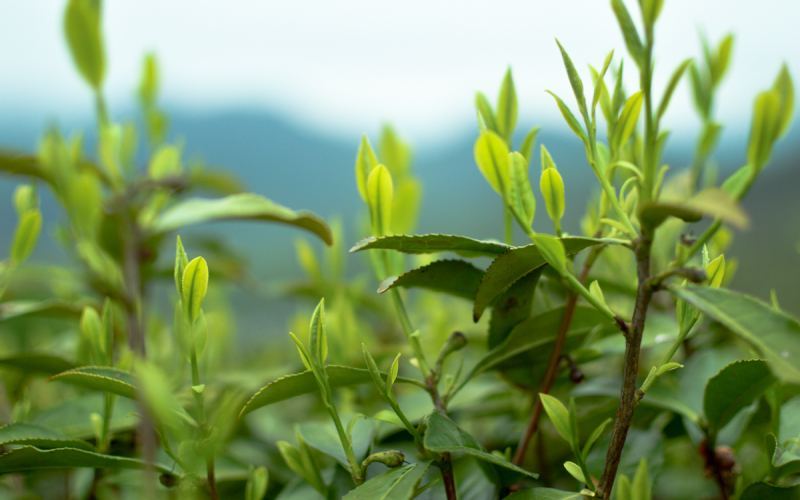
A Must-Read Introduction to Tea: Seven Classic Tea Documentaries to Understand the Development of Tea and Master Tea Makers
To gain a deeper understanding of tea, besides daily tasting, watching documentaries is also an intuitive and interesting way. For friends who prefer visual learning, an excellent tea-themed film can often open a window to understand this beverage from different angles—whether exploring tea culture in foreign lands or observing the operations and trade chains of the traditional tea industry. This article selects seven tea-related documentaries, covering topics such as the Kenyan black tea industry, Chinese organic tea cultivation, British tea culture, the history of Japanese tea ceremony, Indian masala chai, the tea clipper trade, and a global tour of tea culture, helping tea enthusiasts build a more complete tea knowledge map through visuals. If you are looking for a starting point, why not begin with this list. [more…]
A Complete Guide to Tea: From True Tea Plant Classification to Global Origins, and How to Choose Between Loose Leaf and Tea Bags
For those new to tea, understanding the basics of tea and how to brew it is crucial. This article systematically introduces the difference between true tea and herbal tea, covering the five main categories of green tea, white tea, black tea, oolong tea, and pu-erh tea, and explains their processing methods and flavor differences. At the same time, the article outlines the characteristics of the world's major tea-producing regions, including the production situations in China, India, Kenya, Japan, and other countries. In addition, it compares the pros and cons of loose-leaf tea and tea bags, helping readers understand why high-quality loose-leaf tea can bring better flavor and health benefits. Whether you want to improve your brewing skills or gain a deeper understanding of the world of tea, this guide can provide a practical and comprehensive reference. [more…]
What kind of tea does Gongfu tea actually belong to? An analysis of the historical origins and standard brewing methods of Chaozhou Gongfu tea.
Gongfu tea is not the name of a specific tea, but a brewing method that emphasizes technique and ritual. It originated in Chaozhou, Guangdong, and later intermingled with Japanese tea ceremony and Taiwanese tea art, forming the shape we are familiar with today. Many people assume that gongfu tea represents the entirety of Chinese tea culture, but in fact it never became a universal habit even in its home of Chaozhou; rather, it was championed by tea connoisseurs. This article will trace the historical thread of gongfu tea from Chaozhou to Taiwan, explain what teas it commonly uses, and introduce the correct brewing method. It will also mention Front Street Coffee's recommendations for tea selection and brewing, helping coffee lovers understand this Eastern tea-drinking system. [more…]